
When communities consider new energy infrastructure, questions and concerns are a natural part of the process. A recent story from Cherokee County, Iowa, shows how education, collaboration, and open conversations can help communities make informed decisions about battery energy storage systems (BESS).
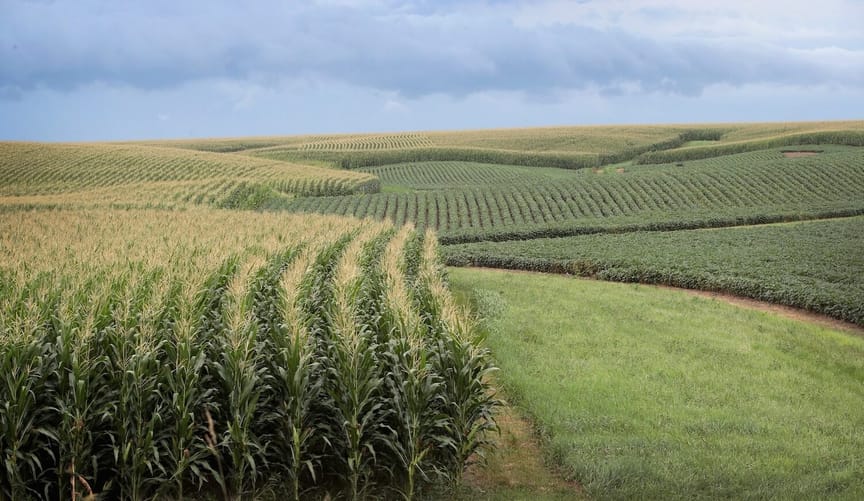
The story began with the Smith family, sixth-generation farmers who were looking for new ways to support their farm during a challenging time for the agriculture industry. Their idea was to combine solar, battery storage, and cattle grazing on their land through an agrivoltaics project. By placing solar panels above grazing areas, the family could continue agricultural operations while creating a new source of revenue.
“We’re trying to diversify into another revenue stream,” farmer Mark Smith explained. “The cattle business is really good right now, and grain has been not as good. With solar, we can put cornfields back to pasture. Solar revenue plus cattle revenue makes it work.”
However, the project faced a major challenge when Cherokee County officials approved an indefinite moratorium on battery storage projects due to concerns about safety. Instead of giving up, the Smith family worked with local leaders, researchers, and emergency responders to answer questions and provide the community with accurate information about modern battery technology.
Through public meetings and educational workshops, residents learned how today’s battery storage systems are designed with updated safety standards, improved battery chemistry, and safeguards to reduce risks. The discussions also focused on the potential benefits of the project, including more than $80 million in investment and additional tax revenue for the county.
Supervisor Shane Bellefy, who opposed the original moratorium, emphasized the importance of trusting experts and allowing responsible development. “If the financial institution is fine with it, and the insurance institution is fine with insuring it... how are we going to justify we’re smarter than them?” he said.
After months of conversations, Cherokee County officials unanimously approved an ordinance allowing battery storage projects under clear guidelines. The decision demonstrated that communities can address concerns while still making room for innovation and clean energy solutions.
This story offers an important lesson for Long Island. As battery energy storage becomes an increasingly important part of New York’s clean energy transition, meaningful community engagement and access to reliable information are essential.
At Renewable Energy Long Island, we believe that informed communities are empowered communities. Through public events, town meetings, and educational outreach, we work to provide residents with accurate information about BESS and its role in creating a cleaner, more reliable electric grid.
The future of energy is being built in communities across the country. Cherokee County shows that when people come together to ask questions, share information, and find common ground, progress is possible.
 Get Updates!



Showing 1 reaction