
California’s New Eight-Hour Battery Project Brings 24/7 Clean Energy Closer to Reality
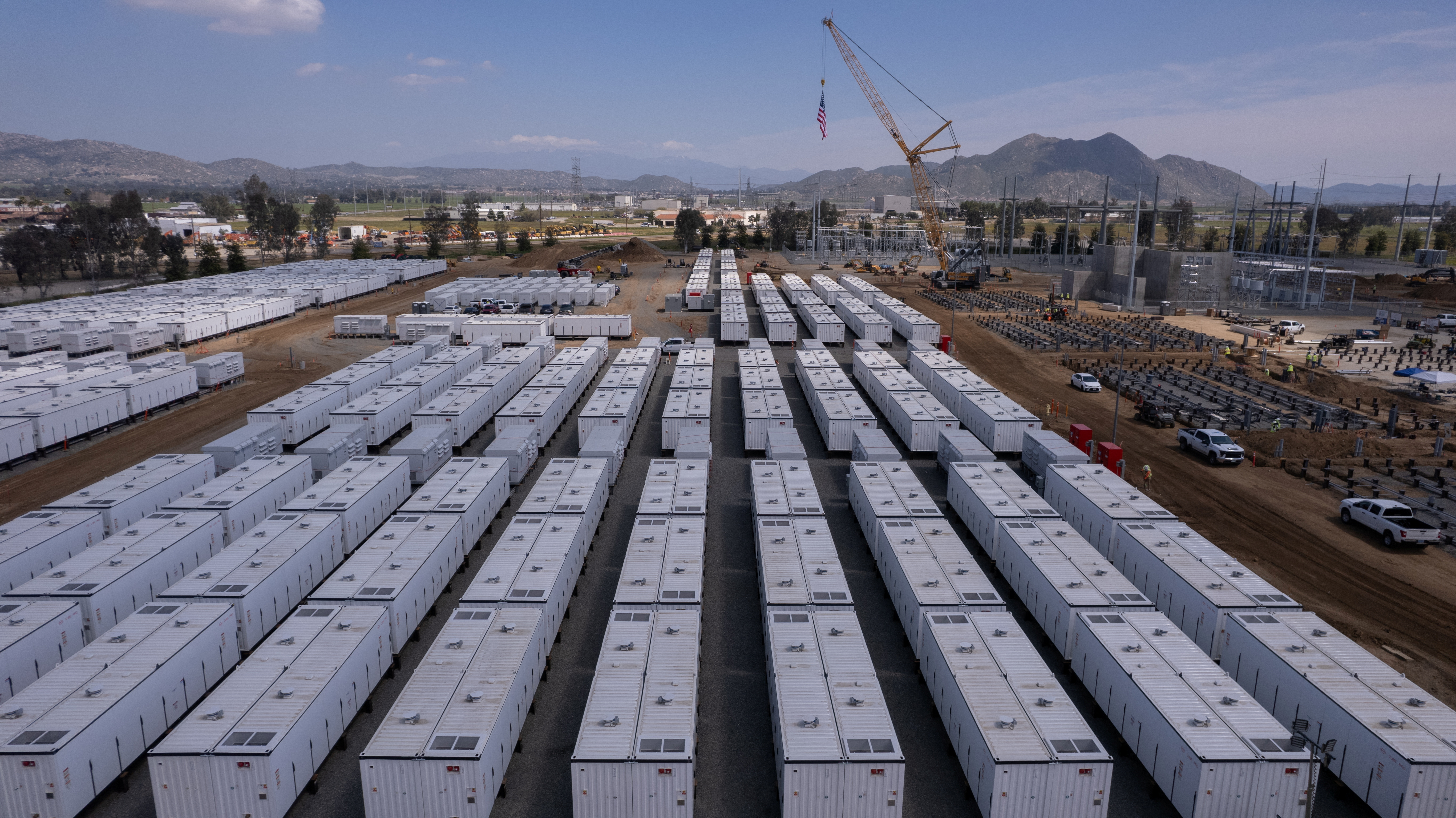
California has reached an important milestone in the transition to a cleaner and more reliable energy system with the launch of the Tumbleweed battery project in Kern County. The facility, which became operational on June 1, is the first major battery installation in the United States capable of discharging electricity continuously for up to eight hours—double the duration of most utility-scale battery systems currently in operation.
As renewable energy generation continues to expand, energy storage is becoming an increasingly important part of the clean energy transition. Solar power produces abundant electricity during daylight hours, but demand for electricity often remains high after the sun sets. Battery storage helps bridge this gap by storing excess renewable energy and delivering it when it is needed most.
The Tumbleweed project has a capacity of 125 megawatts and was developed by Rev Renewables. Originally built as a four-hour battery system, the project was expanded by adding additional battery units, effectively doubling its storage duration. The facility can now capture solar energy generated during the day and discharge that energy for up to eight hours during the evening and overnight periods.
California regulators have identified long-duration energy storage as a key component of the state's goal to achieve a carbon-free electricity system by 2045. In 2021, the state required utilities and power providers to procure long-duration storage resources to support grid reliability and reduce reliance on fossil fuel generation. The Tumbleweed project is among the first large-scale projects developed in response to those requirements.
The project also highlights how battery technology continues to evolve. While four-hour battery systems have become common across the country, longer-duration storage can provide greater flexibility by extending the availability of renewable energy beyond peak sunlight hours. This capability can help stabilize the grid, reduce emissions, and make renewable energy a more dependable source of power throughout the day and night.
As states and utilities work toward ambitious clean energy goals, projects like Tumbleweed offer a glimpse of what the future electric grid could look like—one where renewable energy and advanced storage technologies work together to provide reliable, affordable, and carbon-free electricity around the clock.
Source: Julian Spector, "Pioneering grid battery nudges California closer to 24/7 clean energy," Canary Media, June 8, 2026.
 Get Updates!



Showing 1 reaction